
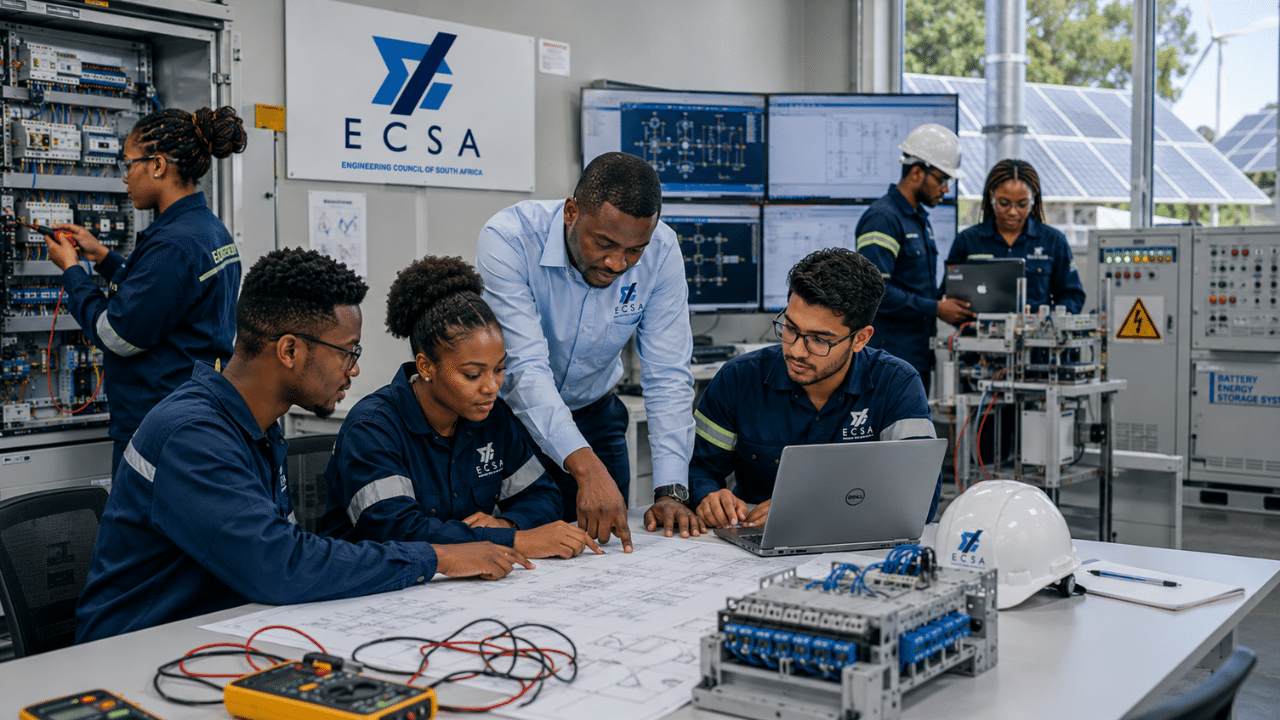
Learn everything about Electrical Engineering Internships in South Africa. Discover qualification requirements, P1 and P2 training, ECSA pathways, graduate programmes, major employers, salaries, and career opportunities.
What is an Electrical Engineering Internship?
An Electrical Engineering Internship is a structured workplace learning programme that provides students and graduates with practical experience in electrical systems, power generation, industrial automation, renewable energy, electrical infrastructure, and engineering project environments.
Electrical engineers play a critical role in powering South Africa’s economy. From electricity generation and transmission to industrial automation and smart technologies, electrical engineering remains one of the country’s most important engineering disciplines.
Internships allow learners to apply classroom knowledge, develop practical engineering skills, and gain valuable industry exposure that can support long-term career growth.
For many graduates, internships are the first step towards professional registration with the Engineering Council of South Africa (ECSA).
You can also check this guide, What is internships ?.
Why Electrical Engineering Internships Matter
Employers increasingly seek graduates who can combine technical knowledge with practical workplace experience.
Internships help learners develop:
- Engineering problem-solving skills
- Electrical systems knowledge
- Workplace professionalism
- Technical reporting abilities
- Project experience
- Safety awareness
- Team collaboration skills
Practical experience often provides a significant advantage when applying for graduate programmes and permanent positions.
Understanding Electrical Engineering Qualifications
Electrical engineering qualifications in South Africa are structured according to the Higher Education Qualifications Sub-Framework (HEQSF).
Understanding these pathways is essential when planning a career in the field.
National Diploma in Electrical Engineering
National Diplomas remain one of the most common pathways into the profession.
Students typically study:
- Engineering Mathematics
- Engineering Science
- Electrical Machines
- Power Systems
- Electronics
- Digital Systems
Many diploma programmes include workplace learning requirements.
Bachelor of Engineering (BEng)
A BEng Electrical Engineering qualification provides advanced theoretical and technical knowledge.
Graduates often pursue:
- Graduate Programmes
- Engineering Internships
- ECSA Registration Pathways
- Specialised Engineering Roles
Bachelor of Science in Engineering (BSc Engineering)
This qualification prepares graduates for careers involving:
- Power Engineering
- Electrical Design
- Research and Development
- Advanced Engineering Analysis
Advanced Diplomas and Honours Degrees
Many graduates continue with:
- Advanced Diplomas
- Honours Degrees
- Postgraduate Engineering Qualifications
These qualifications can strengthen professional registration and career progression opportunities.
Understanding P1 and P2 Training
P1 and P2 training remain highly important within engineering education.
What is P1 Training?
P1 training introduces learners to practical engineering environments.
Students gain exposure to:
- Electrical Workshops
- Industrial Systems
- Equipment Maintenance
- Electrical Installations
- Production Facilities
The objective is to develop foundational workplace competence.
What is P2 Training?
P2 training involves more advanced engineering exposure.
Students may participate in:
- Electrical Projects
- Power System Operations
- Industrial Automation
- Equipment Testing
- Technical Problem Solving
Many Universities of Technology and TVET Colleges require workplace training as part of qualification completion.
ECSA and Professional Registration
The Engineering Council of South Africa (ECSA) is the primary professional body responsible for regulating the engineering profession.
Every aspiring electrical engineer should understand ECSA’s role in professional development.
Why ECSA Matters
ECSA oversees the registration of:
- Candidate Engineering Technicians
- Candidate Engineering Technologists
- Candidate Engineers
- Professional Engineering Technicians
- Professional Engineering Technologists
- Professional Engineers
Many internships provide the workplace exposure necessary to begin progressing toward professional registration.
Electrical Engineering Fields of Specialisation
Electrical engineering offers multiple career pathways.
Power Engineering
Power engineers focus on:
- Electricity Generation
- Transmission Networks
- Distribution Systems
- Substations
This field plays a critical role in South Africa’s energy sector.
Industrial Automation
Automation engineers work with:
- PLC Systems
- SCADA Systems
- Process Control
- Industrial Robotics
This area continues to grow as industries adopt Industry 4.0 technologies.
Renewable Energy
The renewable energy sector continues to expand rapidly.
Opportunities exist in:
- Solar Energy
- Wind Energy
- Battery Energy Storage Systems
- Grid Integration Projects
Electrical Maintenance Engineering
Maintenance engineers support:
- Manufacturing Facilities
- Power Stations
- Mining Operations
- Industrial Plants
Electrical Design Engineering
Design engineers develop:
- Electrical Drawings
- Power System Designs
- Control Systems
- Infrastructure Projects
Industries That Offer Electrical Engineering Internships
Electrical engineers work across nearly every major sector of the economy.
Energy and Power Generation
The energy sector remains one of the largest employers of electrical engineering graduates.
Major employers include:
- Eskom
- Independent Power Producers
Mining Industry
Mining operations require sophisticated electrical infrastructure.
Major employers include:
- Anglo American
- Exxaro
- South32
- Harmony Gold
- Gold Fields
Manufacturing Industry
Manufacturing facilities rely heavily on electrical systems and automation.
Examples include:
- Toyota South Africa Motors
- Volkswagen South Africa
- BMW South Africa
Engineering and Technology
Technology-focused engineering companies regularly recruit graduates.
Examples include:
- Siemens South Africa
- ABB South Africa
- Schneider Electric
Petrochemical Industry
Electrical engineers play an important role within industrial processing facilities.
Major employers include:
- Sasol
- PetroSA
Rail and Logistics
Large transport networks require specialised electrical infrastructure.
Examples include:
- Transnet Engineering
- Transnet Freight Rail
Graduate Programmes vs Electrical Engineering Internships
Many learners assume these programmes are identical.
However, they serve different purposes.
Electrical Engineering Internship
Typically:
- 12 Months
- Workplace Exposure
- Practical Experience
- Skills Development
The primary objective is workplace learning.
Electrical Engineering Graduate Programme
Typically:
- 18 to 24 Months
- Structured Development
- Formal Mentorship
- Leadership Training
- Rotational Assignments
Graduate programmes often provide a pathway toward permanent employment.
Work Readiness and Professional Skills
Technical competence alone is not enough.
Employers also value professional workplace skills.
Technical Reporting
Electrical engineers regularly prepare:
- Inspection Reports
- Fault Reports
- Project Reports
- Engineering Recommendations
Electrical Drawings and Schematics
Interns should develop the ability to interpret:
- Electrical Schematics
- Single-Line Diagrams
- Circuit Drawings
- Control System Layouts
Engineering Software
Common tools include:
- AutoCAD Electrical
- ETAP
- MATLAB
- PLC Programming Software
- SCADA Platforms
Professional Communication
Electrical engineers frequently collaborate with:
- Contractors
- Project Managers
- Technicians
- Clients
Strong communication skills are essential.
LinkedIn and Professional Networking
Students should build professional LinkedIn profiles and actively engage with engineering organisations and industry professionals.
Networking often creates internship opportunities.
Electrical Engineering Internship Salaries
Electrical engineering interns may receive:
- Internship Stipends
- Workplace Allowances
- Graduate Programme Salaries
Compensation varies according to:
- Industry
- Employer
- Qualification Level
- Province
Graduate programmes often offer higher remuneration than standard internships.
Future Trends in Electrical Engineering
Electrical engineering continues to evolve rapidly.
Emerging opportunities include:
- Renewable Energy
- Smart Grids
- Battery Storage
- Industrial Automation
- Electric Vehicles
- Artificial Intelligence Systems
- Industry 4.0 Technologies
Engineers who understand these technologies will remain highly competitive in the future workforce.
Thabang Maimela’s Tip
Electrical Engineering remains one of the most versatile engineering disciplines in South Africa. From Eskom power stations and renewable energy projects to industrial automation and manufacturing plants, electrical engineers continue to play a critical role in the country’s infrastructure and economic development.
Frequently Asked Questions
What is an Electrical Engineering Internship?
An Electrical Engineering Internship is a workplace learning programme that provides practical engineering experience to students and graduates.
What is the difference between P1 and P2 training?
P1 focuses on foundational workplace exposure, while P2 involves more advanced engineering activities and practical application of engineering principles.
Can Electrical Engineers register with ECSA?
Yes. Electrical engineers can pursue ECSA registration through the appropriate candidate and professional registration pathways.
Which companies offer Electrical Engineering internships?
Major employers include Eskom, Sasol, Siemens South Africa, ABB South Africa, Schneider Electric, Toyota South Africa Motors, Volkswagen South Africa, BMW South Africa, and Transnet Engineering.
Is Electrical Engineering still in demand in South Africa?
Yes. Electrical engineers remain highly sought after across energy, manufacturing, mining, automation, renewable energy, and infrastructure sectors.
- About the Author
- Latest Posts

I am Thabang Maimela, Founder and Editor of CareersPursuit and YouthSETA, two South African platforms dedicated to helping individuals access employment opportunities, skills development programmes, and career growth resources. Through CareersPursuit, I focus on jobs, internships, apprenticeships, graduate programmes, learnerships, and career advice, while YouthSETA specialises in SETA learnerships, skills programmes, youth development initiatives, and workplace readiness resources. My mission is to make reliable, up to date information more accessible, helping South Africans build skills, improve employability, and navigate their career journeys with confidence. Read more about the author on the About Us page.