
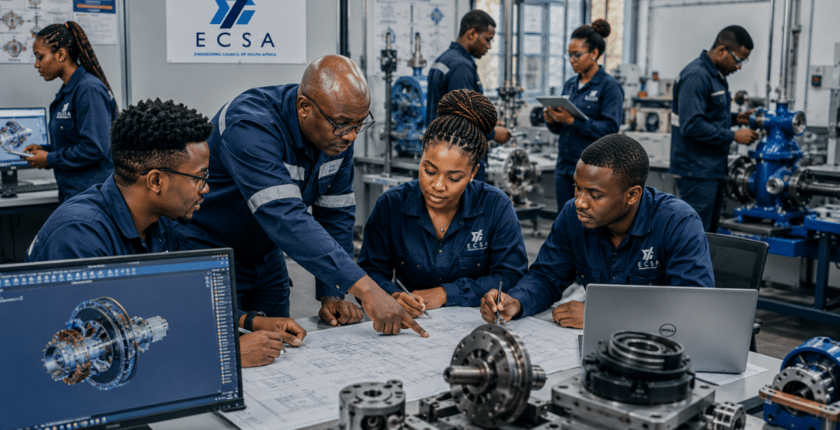
Mechanical Engineering Internships in South Africa (2026): Complete Guide for Students and Graduates

Learn everything about Mechanical Engineering Internships in South Africa. Discover qualification requirements, P1 and P2 training, ECSA pathways, graduate programmes, major employers, salaries, and career opportunities.
What is a Mechanical Engineering Internship?
A Mechanical Engineering Internship is a structured workplace learning programme that provides students and graduates with practical engineering experience in real industrial environments.
Mechanical engineering is one of the broadest engineering disciplines and plays a critical role in manufacturing, mining, power generation, automotive production, petrochemicals, infrastructure, and industrial maintenance.
Internships allow learners to apply engineering theory, gain workplace exposure, and develop the technical and professional competencies required to build successful engineering careers.
For many learners, internships represent the first step toward becoming registered engineering professionals through the Engineering Council of South Africa (ECSA).
What is an Engineering Internship, this guide will help you understand the fundamentals of internships.
Why Mechanical Engineering Internships Matter
Many graduates discover that obtaining a qualification alone is not enough to secure employment.
Employers increasingly look for candidates who have:
- Practical workplace experience
- Engineering project exposure
- Technical problem-solving skills
- Maintenance experience
- Equipment knowledge
- Professional workplace skills
Internships help bridge the gap between academic learning and industry expectations.
Understanding Mechanical Engineering Qualifications
Before applying for internships, it is important to understand the different qualification pathways available under South Africa’s Higher Education Qualifications Sub-Framework (HEQSF).
National Diploma in Mechanical Engineering
National Diplomas remain one of the most common pathways into mechanical engineering careers.
Students study subjects such as:
- Engineering Mathematics
- Engineering Science
- Mechanotechnology
- Fluid Mechanics
- Strength of Materials
Many diploma students require workplace experience to complete qualification requirements.
Bachelor of Engineering (BEng)
A BEng Mechanical Engineering qualification provides a strong theoretical and technical foundation.
Graduates often pursue:
- Graduate Programmes
- Engineering Internships
- ECSA Registration Pathways
Bachelor of Science in Engineering (BSc Engineering)
This qualification prepares graduates for advanced engineering roles involving:
- Design Engineering
- Research and Development
- Advanced Engineering Analysis
Advanced Diplomas and Honours Degrees
Many graduates continue their studies through:
- Advanced Diplomas
- Honours Programmes
- Postgraduate Engineering Qualifications
These qualifications can improve career progression opportunities and professional registration prospects.
Understanding P1 and P2 Training
One of the most important concepts within engineering education is workplace experiential learning.
What is P1 Training?
P1 training introduces students to practical engineering environments.
Typical exposure includes:
- Workshop Operations
- Manufacturing Processes
- Mechanical Maintenance
- Production Systems
- Equipment Operation
The objective is to help learners understand how engineering theory applies in real workplaces.
What is P2 Training?
P2 training is typically more advanced.
Students participate in:
- Engineering Projects
- Plant Operations
- Equipment Reliability Programmes
- Maintenance Planning
- Technical Problem Solving
Many Universities of Technology and TVET Colleges require P1 and P2 workplace training before qualification completion.
ECSA and Professional Registration
No Mechanical Engineering guide is complete without discussing ECSA.
The Engineering Council of South Africa (ECSA) is the professional body responsible for regulating the engineering profession.
Why ECSA Matters
ECSA oversees the registration of:
- Candidate Engineering Technicians
- Candidate Engineering Technologists
- Candidate Engineers
- Professional Engineering Technicians
- Professional Engineering Technologists
- Professional Engineers
Many internships provide the workplace experience necessary to begin progressing toward professional registration.
Mechanical Engineering Fields of Specialisation
Mechanical engineering offers diverse career opportunities.
Maintenance Engineering
Focuses on:
- Equipment Reliability
- Plant Maintenance
- Asset Management
- Industrial Operations
Manufacturing Engineering
Focuses on:
- Production Systems
- Industrial Processes
- Factory Operations
- Quality Improvement
Design Engineering
Focuses on:
- Product Design
- Engineering Drawings
- CAD Modelling
- Engineering Analysis
Reliability Engineering
Focuses on:
- Failure Analysis
- Predictive Maintenance
- Asset Performance
- Risk Reduction
Project Engineering
Focuses on:
- Engineering Projects
- Capital Expansion
- Infrastructure Development
- Technical Coordination
Industries That Offer Mechanical Engineering Internships
Mechanical engineers work across nearly every major industry.
Manufacturing Industry
South Africa’s manufacturing sector regularly recruits engineering interns.
Major employers include:
- Toyota South Africa Motors
- Volkswagen South Africa
- BMW South Africa
- Bell Equipment
Mining Industry
Mining remains one of the country’s largest engineering employers.
Examples include:
- Anglo American
- Exxaro
- South32
- Harmony Gold
- Gold Fields
- Glencore
Energy and Power Generation
Mechanical engineers play a crucial role in energy infrastructure.
Major employers include:
- Eskom
- Independent Power Producers
Petrochemical Industry
Petrochemical operations require engineering expertise.
Major employers include:
- Sasol
- PetroSA
Rail and Logistics
Engineering operations support South Africa’s transport infrastructure.
Examples include:
- Transnet Engineering
- Transnet Freight Rail
Heavy Engineering
Large industrial operations rely heavily on mechanical engineering skills.
Examples include:
- ArcelorMittal South Africa
- Babcock
Graduate Programmes vs Mechanical Engineering Internships
Many students mistakenly believe these are identical.
Mechanical Engineering Internship
Typically:
- 12 Months
- Workplace Learning
- Technical Exposure
- Engineering Experience
The primary objective is practical skills development.
Mechanical Engineering Graduate Programme
Typically:
- 18 to 24 Months
- Formal Development Plans
- Mentorship Programmes
- Leadership Development
- Rotational Assignments
Graduate programmes often create a pathway toward long-term employment.
Work Readiness and Professional Skills
Technical knowledge alone is not enough.
Employers also value:
Engineering Communication
Mechanical engineers must communicate effectively with colleagues, contractors, and management teams.
Technical Reporting
Interns should learn how to prepare:
- Inspection Reports
- Maintenance Reports
- Engineering Recommendations
- Technical Documentation
CAD Software Skills
Mechanical engineers frequently work with:
- AutoCAD
- SolidWorks
- Inventor
- CATIA
Knowledge of engineering software improves employability.
Teamwork
Engineering projects require collaboration across multiple disciplines.
LinkedIn and Professional Networking
Students should develop professional LinkedIn profiles and engage with engineering organisations and employers.
Networking often creates internship opportunities.
Mechanical Engineering Internship Salaries
Mechanical Engineering interns may receive:
- Workplace Stipends
- Internship Allowances
- Graduate Programme Salaries
Compensation varies according to:
- Employer
- Industry
- Qualification Level
- Province
Graduate programmes often offer higher compensation than traditional internships.
Future Trends in Mechanical Engineering
Mechanical engineering continues to evolve rapidly.
Emerging areas include:
- Industry 4.0
- Smart Manufacturing
- Robotics
- Predictive Maintenance
- Digital Engineering
- Industrial Automation
- Sustainable Energy Systems
Mechanical engineers who understand these technologies will remain highly competitive.
Thabang Maimela’s Tip
Many students focus entirely on obtaining their qualification and underestimate the importance of workplace exposure. A Mechanical Engineering internship can provide practical experience, industry contacts, technical confidence, and a pathway toward future ECSA registration. In many cases, the internship becomes more valuable than the qualification itself when entering the job market.
Frequently Asked Questions
What is a Mechanical Engineering Internship?
A Mechanical Engineering Internship is a workplace learning programme that provides practical engineering experience to students and graduates.
What is the difference between P1 and P2 training?
P1 focuses on introductory workplace exposure, while P2 involves more advanced engineering activities and practical application of engineering principles.
Can Mechanical Engineers register with ECSA?
Yes. Mechanical engineers can pursue ECSA registration through the appropriate candidate and professional registration pathways.
Which companies offer Mechanical Engineering internships?
Major employers include Eskom, Sasol, Toyota South Africa Motors, Volkswagen South Africa, BMW South Africa, Anglo American, Exxaro, Bell Equipment, and Transnet Engineering.
Do Mechanical Engineering internships lead to permanent jobs?
Many internships can lead to graduate programmes or permanent employment opportunities, although this depends on organisational requirements and performance.
- About the Author
- Latest Posts

I am Thabang Maimela, Founder and Editor of CareersPursuit, a platform dedicated to connecting job seekers with real opportunities across South Africa and beyond. With a strong focus on learnerships, apprenticeships, and entry-level jobs, my mission is to empower individuals by providing reliable, up-to-date career information that helps them take the next step toward employment and growth. Read more about the author on the About Us Page.